
Needle valves : What needle valves do and how they work
A needle valve is used to precisely control flow at low rates, typically in instrumentation, sampling and purge lines where small adjustments have large effects. Unlike on-off isolation devices, a needle valve is designed for metering.
Operation is simple. A finely threaded stem drives a tapered needle into a matching seat. As the tip lifts from the orifice, a narrow annulus opens and increases area gradually. This geometry, combined with multi-turn stem threads, allows small, repeatable changes to Cv at low openings. Where a ball or gate valve changes area abruptly, a needle valve changes it progressively.
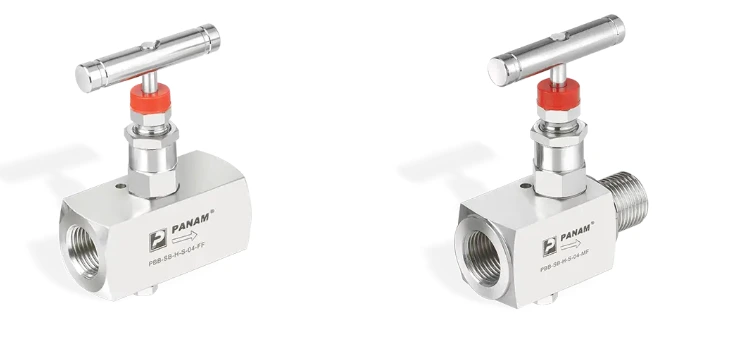
To tell if a needle valve is open, observe the stem position indicator and hand wheel turns from fully closed. Many valves include a mechanical stop or a visible thread count under the bonnet nut. Counterclockwise turning raises the stem. Record the number of turns for a given set point to improve repeatability during commissioning.
Geometry, threads and achieving repeatable low-flow Cv
Seat and tip design drive controllability:
Tip profiles: conical tips support broad turndown and stable metering; radiused or vee tips improve shut-off robustness; non-rotating tips reduce seat scoring during actuation.
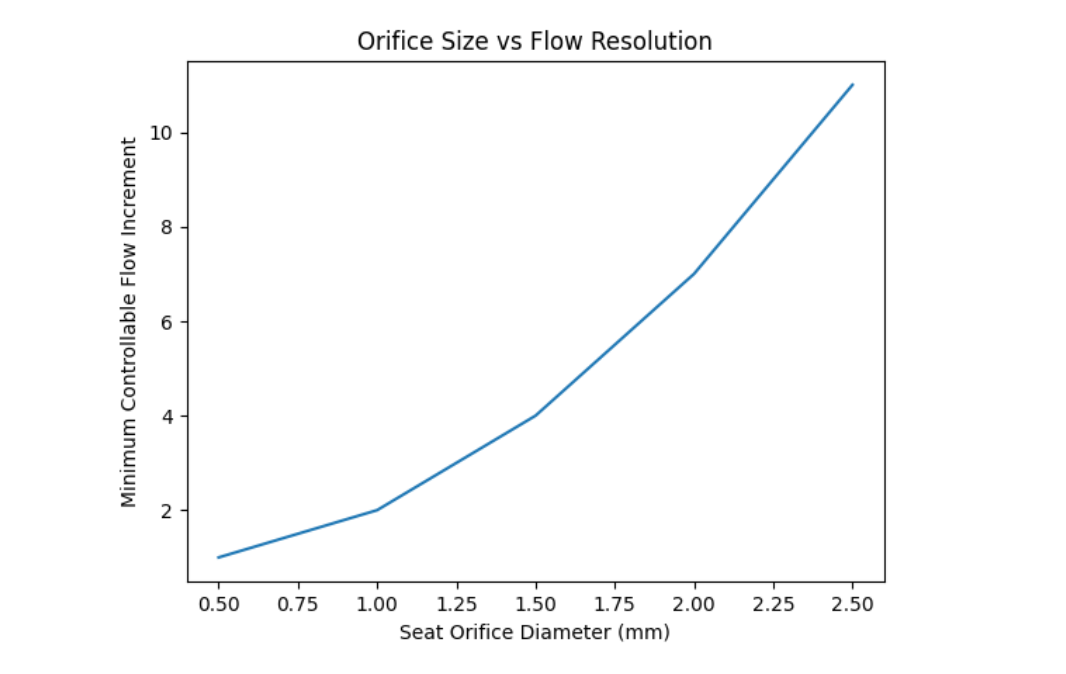
Seat orifice: smaller bores improve resolution at very low flows; larger bores support higher Cv but reduce precision near crack-open.
Stem threads matter as much as the tip. Fine-pitch, multi-turn stems provide better granularity. A non-rotating stem tip, driven by a swivel or ball-in-cone interface, helps avoid torsional wear on the seat, sustaining repeatable Cv after many cycles. For corrosive or high-temperature service, metal-to-metal seating in 316 or alloy tips avoids soft seal creep that can shift set points.
Needle vs gate and ball for control
Choose the device for the job:
Ball and gate valves are isolation-first. They are excellent for tight shut-off and low pressure drop in the open position but provide poor intermediate control. A small hand wheel movement can double flow.
Needle valves are control-first. They are ideal for fine throttling, purge rate setting, gauge snubbing and analyser protection. They can also isolate, but shut-off leakage class depends on design and material pairing.
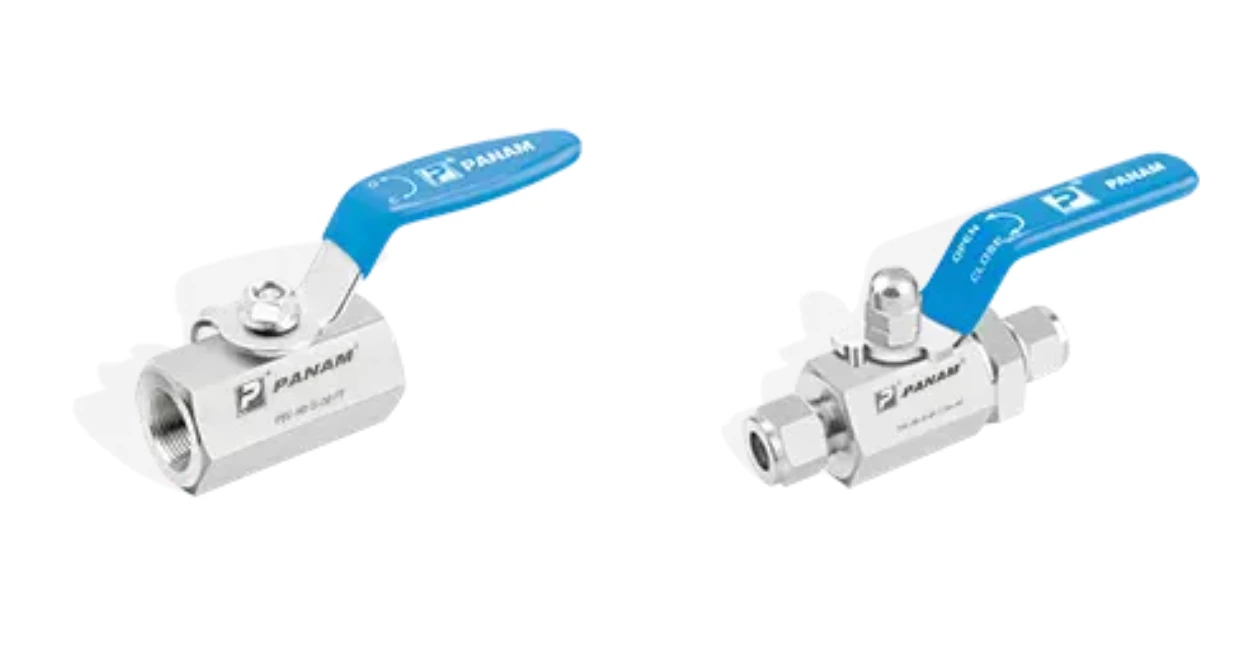
If you need on-off plus metering at one location, consider a manifold or a block-and-bleed arrangement with a separate metering valve rather than forcing a ball or gate valve to throttle.
For broader selection context, see PANAM’s instrumentation-focused options in the control valve category, or explore compatible manifolds and accessories that combine isolation and metering in a compact footprint.
Installation best practice for leak-tight starts
Orientation, thread preparation and cleanliness determine first-time success.
Orientation: Install with the stem vertical where possible to minimise particulate settling on the seat. Provide easy access for stroke counting and packing adjustment. Avoid using the valve body as a structural support.
End connections: For NPT (tapered) threads, use a compatible thread sealant rated for the medium, pressure and temperature. Apply sparingly to male threads only, keeping the first thread clean to prevent ingress. BSPP (parallel) threads typically seal with a bonded washer or O-ring at the face; BSPT (tapered) behaves similarly to NPT but with different thread form. Do not mix BSP and NPT.
Torque: Threaded joints are torque-plus-angle in practice. Hand-tighten, then advance 1 to 3 turns depending on size and material. Over-torque can split female ports or distort seats. If a data sheet specifies torque, use it. Otherwise, proceed gradually and pressure test.
Contamination control: Flush lines before installation. Use protective caps until the moment of make-up. In hydrogen and oxygen service, keep tooling and work areas free of oils and lint. Consider upstream filters to protect the seat.
Oxygen-service cleaning: Specify oxygen-cleaned valves when the medium is oxygen or where oxygen ingress is plausible. PANAM offers optional oxygen-service cleaning and can supply certificates to support site procedures.
For a complete connection from valve to line, match the valve with compatible stainless steel tube fittings or with the appropriate pipe fittings when threaded connections are required.
Using a needle valve to control flow
Set flow with small, deliberate turns. Approach the target from the closed direction to take up thread backlash, then open in quarter turns while observing the flow indicator or pressure drop across an orifice. Log the turn count for the achieved setpoint. If the process conditions vary, pair the valve with a back-pressure regulator to stabilise downstream pressure and improve repeatability.
Troubleshooting: fast fixes during commissioning
Common issues and actions:
Seat damage: Symptoms include weeping at shut-off or erratic flow near crack-open. Causes include debris, over-torqueing the stem against the seat, or misaligned pipe strain. Action, isolate, vent, then inspect. If the tip is removable, check for scoring. Recover by cleaning with lint-free swabs, replacing the tip or the valve if damage is severe. Install upstream filtration to prevent recurrence.
Packing leaks: A faint weep at the stem or a detectable gas sniff can occur after thermal cycling. Action, tighten the packing nut by 1/8 turn increments while stroking the valve to seat the packing. If leakage persists, replace packing with material compatible with media and temperature. Avoid over-compression which raises torque and accelerates wear.
Sticking stems: High actuation torque or stick-slip points to contamination, damaged threads or dried lubricant. Action, exercise the valve fully open and closed with the line depressurised. If still rough, remove the valve for cleaning and repacking. For oxygen or hydrogen, use only approved lubricants and cleaning agents.
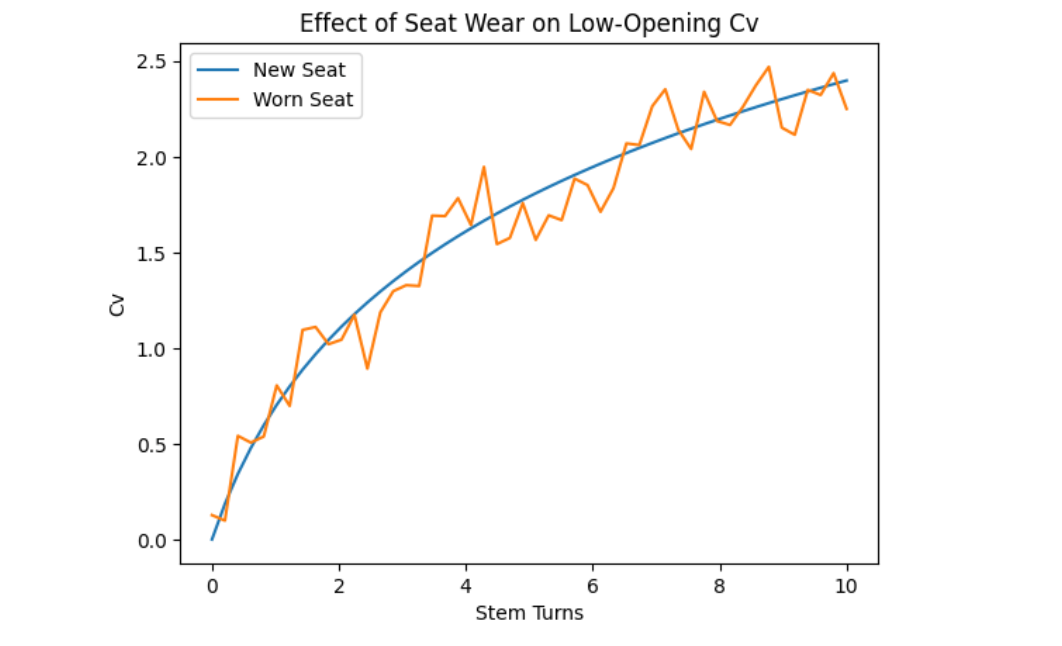
Irregular Cv at low openings: If small turns cause big flow swings, check for downstream pressure instability, worn tips, or seat erosion. Verify that the stem is the fine-pitch variant specified for metering and not a quick-open pattern.
How PANAM reduces rework
PANAM needle valves are precision engineered and 100 percent factory tested to verify leak-tight performance. Heat code traceability links each wetted component to its material source for quality assurance, which is valuable in hydrogen and corrosive services. Optional oxygen-service cleaning, NACE compliance options and clear documentation help commissioning teams meet site standards without last-minute rework.
When building out a panel or skid, PANAM’s compatible product families simplify integration. Pair needle valves with stainless steel tube fittings for instrument lines, or select appropriate pipe fittings for threaded runs. For multi-port isolation and venting, a compact block-and-bleed manifold can streamline layouts and reduce the number of joints.
Quick FAQ
What is a needle valve used for?
Precise metering of low flows in instrumentation, sampling, purge and analyser protection lines, with the ability to isolate when required.
How does a needle valve operate?
A finely threaded stem moves a tapered tip into or out of a matching seat, changing the flow area progressively to allow fine control.
What are common problems with needle valves?
Seat damage from debris or over-tightening, packing leaks after thermal cycles, sticking stems from contamination, and poor low-opening control if the tip or threads are worn.
How do you use a needle valve to control flow?
Approach the desired flow from closed, open in small increments, observe the indicator, and record the turn count for repeatability under similar conditions.
How can you tell if a needle valve is open?
The stem rises as it opens. Count turns from the closed position and check any built-in position indicator or exposed thread count.
Internal links:
Explore PANAM needle valves for precision metering: https://www.panamvalves.co.uk/needle-valves
Build a complete line-up with stainless steel tube fittings: https://www.panamvalves.co.uk/tube-fittings
Match threads and transitions with pipe fittings: https://www.panamvalves.co.uk/pipe-fittings
See related instrumentation control solutions: https://www.panamvalves.co.uk/instrumentation-valves